Hurricane Season Roof Prep Guide for Northwest Florida

Hurricane Season Roof Prep Guide for Northwest Florida
How to Protect Your Home, Avoid Costly Damage, and Gain Peace of Mind
Hurricane season in Northwest Florida is not hypothetical — it’s a certainty. From Pensacola and Milton to Pace, Gulf Breeze, Navarre, and Destin, our homes are exposed every year to intense wind uplift, wind-driven rain, flying debris, and prolonged moisture.
Most homeowners prepare the obvious things: supplies, generators, patio furniture. But the single most important system protecting your home often gets the least attention — your roof.
Your roof is not just shingles. It’s a layered system designed to resist wind, shed water, and protect the structure below. When that system has even one weak point, hurricanes find it fast.
This guide walks you through practical, professional steps to prepare your roof before storm season — and explains when it’s time to bring in an expert.
Table Of Contents
Hurricane Season Roof Prep Guide for Northwest Florida
How to Protect Your Home, Avoid Costly Damage, and Gain Peace of Mind
Why Hurricane Roof Prep Matters in Northwest Florida
Step 1: Schedule a Professional Roof Inspection (Before It’s Urgent)
Step 2: Secure Weak Points Before Wind Finds Them
Step 3: Clear Gutters, Downspouts, and Roof Debris
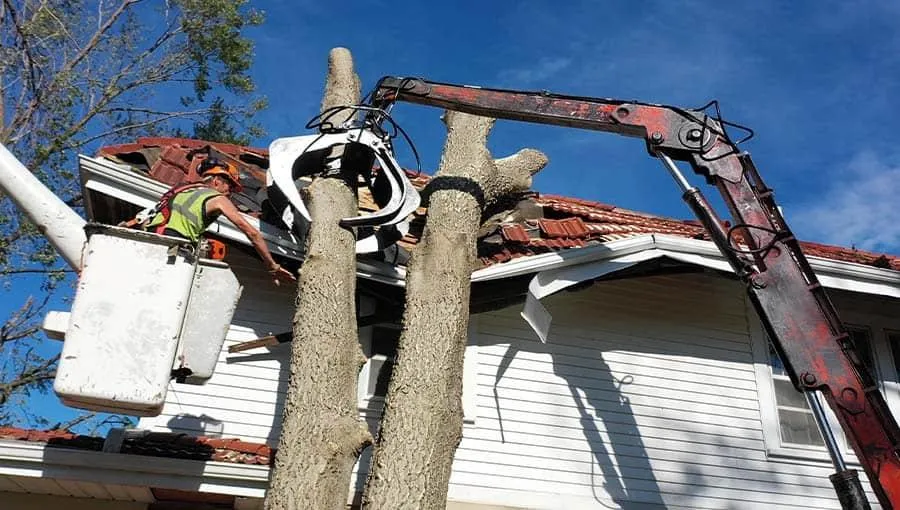
Step 4: Trim Trees and Control Flying Debris
Step 5: Document Your Roof’s Current Condition (This Matters More Than You Think)
After the Storm: Inspect Before Small Problems Spread
Why Working With a Local Roofer Matters
Why Hurricane Roof Prep Matters in Northwest Florida
Florida roofs work harder than almost anywhere in the country. UV exposure, heat, humidity, afternoon storms — all of it takes a toll long before hurricane season begins.
Here’s the reality most homeowners don’t hear:
The majority of hurricane roof failures don’t start during the storm — they start before it.
Loose shingles, aging underlayment, failing flashing, clogged drainage, and minor leaks become catastrophic under hurricane conditions.
Proactive roof prep helps you:
Reduce storm-related damage
Prevent interior water intrusion
Protect insulation, drywall, and framing
Strengthen insurance claims if damage occurs
Extend the overall life of your roof
Step 1: Schedule a Professional Roof Inspection (Before It’s Urgent)
If your roof is 10 years or older, or if you’re unsure of its condition, a professional inspection before hurricane season is one of the smartest investments you can make.
A qualified roofer will inspect:
Loose, cracked, or missing shingles
Nail pops and fastening issues
Flashing around chimneys, vents, skylights, and valleys
Early signs of water intrusion or soft decking
Drainage and gutter performance
Catching small issues now can be the difference between a minor repair and a full interior restoration after a storm.
Step 2: Secure Weak Points Before Wind Finds Them
High winds don’t need much to cause failure. One lifted shingle or loose flashing section can allow wind-driven rain to enter the system — and once it does, damage spreads fast.
Make sure:
Lifted or damaged shingles are repaired or replaced
Exposed fasteners are sealed properly
Flashing is tight, intact, and watertight
These are small fixes with outsized impact during hurricane conditions.
Step 3: Clear Gutters, Downspouts, and Roof Debris
Heavy rain is just as destructive as wind when water has nowhere to go.
Clogged gutters cause water to:
Back up under shingles
Saturate roof decking
Leak into walls and ceilings
Before hurricane season:
Clear leaves, pine needles, and debris
Ensure downspouts direct water away from the foundation
Remove branches or objects resting on the roof
This simple maintenance step prevents leaks, rot, and mold during prolonged storms.
Step 4: Trim Trees and Control Flying Debris
Flying debris is one of the leading causes of storm-related roof damage.
Take time to:
Trim overhanging branches away from the roofline
Remove dead or weak limbs
Secure outdoor furniture, grills, and décor
Reducing impact risk protects both your roof and your insurance deductible.
Step 5: Document Your Roof’s Current Condition (This Matters More Than You Think)
Before hurricane season begins, take clear photos or video of your roof — or keep records from a professional inspection.
Documentation:
Establishes pre-storm condition
Supports faster, smoother insurance claims
Helps avoid disputes over “pre-existing damage”
This step alone can save homeowners thousands of dollars after a storm.
After the Storm: Inspect Before Small Problems Spread
Not all damage is obvious from the ground. Wind can loosen materials without immediate leaks — and water damage often shows up weeks later.
After a storm:
Look for missing or shifted shingles
Check ceilings and attic spaces for moisture or staining
Schedule a professional inspection if anything feels uncertain
Early detection prevents long-term structural damage and expensive repairs.
Why Working With a Local Roofer Matters
Northwest Florida roofing is not the same as roofing elsewhere.
Local experience matters because:
Our storms behave differently
Insurance requirements are specific
Certain failure points are common in this region
Homeowners trust True Grit Roofing because we focus on:
Honest, no-pressure inspections
Clear explanations homeowners understand
Long-term protection — not scare tactics or upsells
Get Hurricane-Ready With Confidence
Hurricane season doesn’t have to mean stress or uncertainty.
With the right preparation — and the right roofing partner — you can protect your home, your family, and your investment before storms ever make landfall.
👉 Book Your Professional Roof Inspection Today
Don’t wait until the forecast turns serious. Schedule a hurricane-season roof inspection with True Grit Roofing and get a clear, honest assessment of your roof’s readiness.
Peace of mind starts at the top.
