What to Do Immediately After Discovering a Roof Leak

What to Do Immediately After Discovering a Roof Leak
A Step-by-Step Homeowner Guide to Minimize Damage, Protect Insurance, and Fix the Real Problem
Discovering a roof leak is stressful—especially in Northwest Florida, where heavy rain, humidity, and storms can turn a small issue into major damage fast.
Whether you’re in Pensacola, Milton, Pace, Navarre, or Gulf Breeze, knowing exactly what to do in the first hours and days after a leak appears can save you thousands of dollars, protect your insurance claim, and prevent long-term structural issues.
This guide walks you through what to do immediately, what not to do, and how to fix the root cause—not just the symptom.
Table Of Contents
What to Do Immediately After Discovering a Roof Leak
A Step-by-Step Homeowner Guide to Minimize Damage, Protect Insurance, and Fix the Real Problem
First: Take a Breath (Then Act Quickly)
Step 1: Protect the Inside of Your Home (Immediate Action)
Step 2: Document Everything (This Protects You Later)
Step 3: Check Your Attic (If Safe to Do So)
Step 4: Avoid “Quick Fixes” That Cause Bigger Problems
Step 5: Call a Local Roofing Professional (Not a Storm Chaser)
Step 6: Decide on Repair vs. Insurance Claim (With Clarity)
A professional roofer can help determine:
Step 7: Fix the Root Cause—Not Just the Leak
Common Causes of Roof Leaks in Northwest Florida
First: Take a Breath (Then Act Quickly)
A roof leak doesn’t automatically mean you need a new roof—but waiting makes everything worse.
Florida’s climate accelerates damage:
Moisture spreads quickly
Mold can begin forming within 24–48 hours
Insulation and decking absorb water fast
The goal is to control the damage first, then diagnose the cause correctly.
Step 1: Protect the Inside of Your Home (Immediate Action)
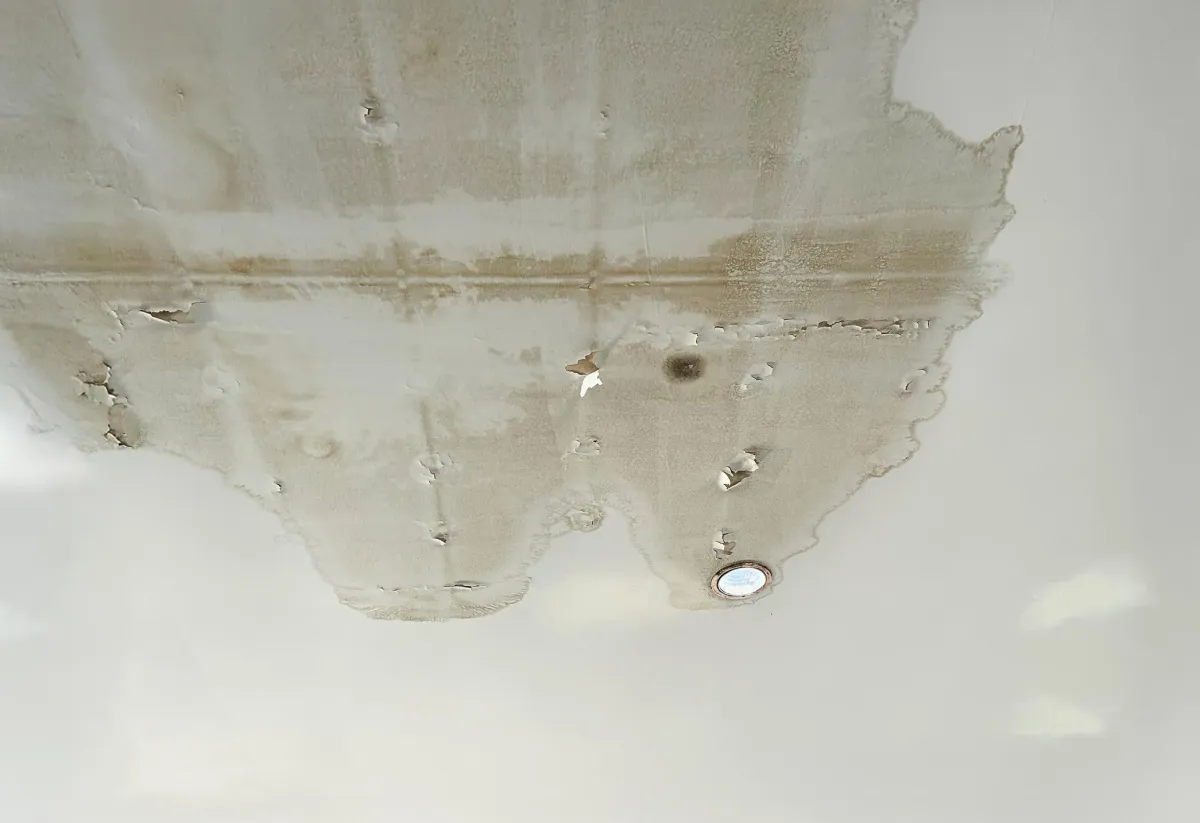
As soon as you notice a leak—dripping water, ceiling stains, bubbling paint—your first job is damage control.
Do this immediately:
Place a bucket or container under active drips
Move furniture, electronics, and valuables out of the area
Use towels to absorb excess water
If water is near light fixtures or outlets, turn off power to that area
🚨 Safety note:
Never poke holes in your ceiling to “drain” water. This often causes more damage and complicates repairs.
Step 2: Document Everything (This Protects You Later)
Before you clean up completely, document the damage.
Take clear photos and videos of:
Active leaks or dripping water
Ceiling stains, bubbling, or sagging drywall
Wet insulation (if visible from attic)
Any visible exterior damage (from the ground only)
📸 Why this matters in Florida:
Insurance companies often ask for proof of sudden damage vs. long-term wear. Documentation strengthens your position if a claim is needed.
Step 3: Check Your Attic (If Safe to Do So)
If you can safely access your attic:
Look for wet insulation
Check for darkened wood or water trails
Note where water appears to be entering
⚠️ Important:
Water often travels before it shows up inside your home. The ceiling stain is rarely directly below the roof failure.
If you’re unsure or conditions are unsafe—skip this step and call a professional.
Step 4: Avoid “Quick Fixes” That Cause Bigger Problems
When leaks happen, homeowners often reach for temporary fixes that backfire.
Avoid:
Spraying sealants or caulk on shingles
Tarping the roof yourself (dangerous + often ineffective)
Assuming the problem is “just a shingle”
In Northwest Florida, leaks are commonly caused by:
Failing flashing
Wind-driven rain entering roof penetrations
Aging underlayment
Improper drainage
Covering the symptom without fixing the cause leads to repeat leaks—and bigger repairs.
Step 5: Call a Local Roofing Professional (Not a Storm Chaser)
A proper roof leak inspection focuses on why the leak happened—not just where water is visible.
A professional inspection should evaluate:
Shingles and fasteners
Flashing around vents, chimneys, and skylights
Valleys and roof transitions
Underlayment condition
Signs of storm-related damage
This is where local experience matters.
That’s why homeowners across the Panhandle trust True Grit Roofing—we understand how Florida storms, humidity, and heat actually affect roofing systems.
Step 6: Decide on Repair vs. Insurance Claim (With Clarity)
Not every roof leak requires an insurance claim—and filing unnecessarily can hurt you long-term.
A professional roofer can help determine:
Is the damage storm-related or maintenance-related?
Is a claim justified or better handled as a repair?
What documentation is needed if a claim is filed?
💡 Florida homeowner insight:
Insurance covers sudden, accidental damage, not long-term neglect. Proper diagnosis protects you either way.
Step 7: Fix the Root Cause—Not Just the Leak
A proper repair plan should:
Address the actual failure point
Prevent repeat leaks
Consider the roof’s age and condition
Include documentation for future reference
Sometimes that means a targeted repair.
Sometimes it means maintenance.
Sometimes it means planning ahead for replacement—before emergencies force it.
Common Causes of Roof Leaks in Northwest Florida
Understanding the cause helps prevent future problems.
The most common local causes include:
Failing flashing around roof penetrations
Wind-driven rain during storms
Clogged gutters causing water backup
Aging shingles and underlayment
Improper roof ventilation
Florida roofs don’t fail the same way roofs do elsewhere—local knowledge matters.
How to Prevent the Next Leak
Once the immediate issue is handled, prevention is key.
Smart next steps:
✔ Schedule regular roof inspections
✔ Keep gutters and drainage clear
✔ Address small issues early
✔ Document inspections and repairs
✔ Inspect after major storms
Preventative maintenance is far less expensive than emergency repairs.
When a Roof Leak Is an Emergency
Call a professional immediately if you notice:
Active dripping during rain
Sagging or bulging ceilings
Water near electrical systems
Rapidly spreading stains or mold odor
These situations can escalate quickly in Florida’s climate.
Don’t Let a Small Leak Become a Major Repair
Roof leaks are one of the most common—and most preventable—causes of interior home damage in Northwest Florida.
The right response protects:
Your home
Your insurance eligibility
Your peace of mind
🔍 Schedule a Professional Roof Leak Inspection
If you’ve discovered a roof leak—or suspect one—don’t wait.
👉 Contact True Grit Roofing for a professional roof inspection and clear, honest guidance on the best next step for your home.
Strong roofs. Clear answers. Built for Florida.
