
Why Florida Homeowners Get Roof Insurance Claims Denied
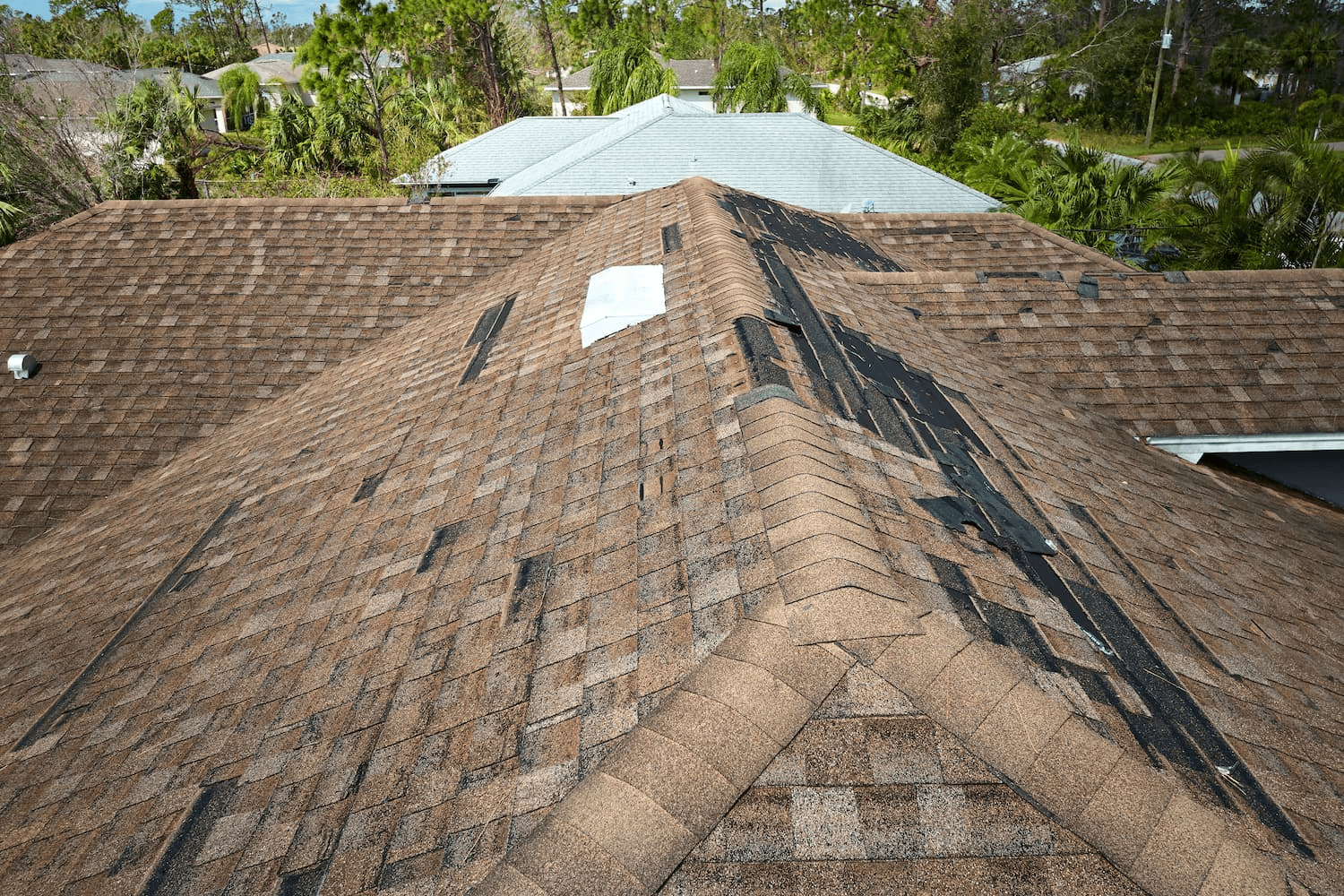
Why Florida Homeowners Get Roof Insurance Claims Denied
(And How to Protect Yourself Before the Next Storm)
For many homeowners in Pensacola, Milton, Pace, and across Northwest Florida, the most stressful part of roof damage isn’t the storm itself—it’s what happens after.
You do everything right.
You pay your premiums.
You file a claim.
And then you hear the words no homeowner wants:
“This damage isn’t covered.”
Roof insurance claim denials are becoming increasingly common in Florida. Understanding why they happen—and how to protect yourself ahead of time—can make the difference between a smooth claim and thousands of dollars out of pocket.
This guide explains the real reasons claims get denied, what insurance companies look for, and how homeowners can reduce risk before storm season hits.
The Hard Truth About Roof Insurance in Florida
Florida’s climate is tough on roofs—and insurance carriers know it.
Between hurricanes, tropical storms, intense UV exposure, and year-round moisture, roofs in the Florida Panhandle age faster than in many other parts of the country. As a result, insurers scrutinize roof claims closely.
Here’s what many homeowners don’t realize:
Insurance companies don’t insure neglect.
They insure sudden, accidental damage.
If a carrier believes roof issues existed before a storm—or worsened due to lack of maintenance—your claim may be delayed, reduced, or denied.
The Most Common Reasons Roof Claims Get Denied
1. “Pre-Existing Damage” Is Cited
This is the #1 reason Florida roof claims are denied.
If an insurance adjuster believes damage existed before the storm—such as:
Worn shingles
Failing flashing
Long-term leaks
Granule loss from age
…the claim may be classified as maintenance-related, not storm-related.
💡 Key Insight:
Without documentation proving your roof was in good condition before the storm, it becomes your word against the insurer’s.
2. Roof Is Near or Past Its Expected Lifespan
Many asphalt shingle roofs in Florida show age-related wear around 15–20 years, sometimes sooner.
If your roof is older and:
Maintenance records are missing
Prior inspections weren’t done
Repairs were deferred
…the insurer may argue the roof was already at the end of its life.
This doesn’t mean coverage is impossible—but it does mean proof matters.
3. Lack of Maintenance Documentation
Insurance companies increasingly ask:
When was the roof last inspected?
Were repairs made when issues were found?
Is there proof of ongoing maintenance?
Without records, insurers may claim:
“The damage worsened due to lack of maintenance.”
Preventative roof inspections create a paper trail that protects homeowners.
4. Delayed Reporting After a Storm
Waiting weeks—or months—to report roof damage can hurt your claim.
Storm damage that goes unreported allows:
Water intrusion to spread
Secondary damage to occur
Adjusters to question timing and cause
Prompt inspections and reporting strengthen credibility.
5. Improper or Incomplete Damage Documentation
Photos matter.
Inspection reports matter.
Clear descriptions matter.
Poor documentation makes it easier for claims to be disputed or undervalued.
How Preventative Roof Inspections Protect Insurance Claims
A preventative roof inspection before storm season isn’t just maintenance—it’s protection.
Professional inspections help by:
Establishing roof condition before storms
Identifying small issues early
Creating documentation insurers respect
Reducing disputes over “pre-existing damage”
📁 Think of it as insurance for your insurance.
What a Florida-Smart Roof Inspection Includes
In Northwest Florida, a proper inspection should evaluate:
Shingles, fasteners, and seal integrity
Flashing at vents, chimneys, and skylights
Roof decking condition
Drainage systems and gutters
Signs of moisture intrusion or rot
Generic inspections often miss regional failure points common in Pensacola, Milton, and Pace homes.
What Homeowners Should Do Before Storm Season
✔ Schedule a professional roof inspection
✔ Address minor issues early
✔ Keep inspection and repair records
✔ Take date-stamped roof photos
✔ Know your roof’s age and condition
These steps dramatically improve claim outcomes if storm damage occurs.
Why Local Roofing Experience Makes a Difference
Florida roofing isn’t the same everywhere.
Local professionals understand:
How Panhandle storms impact roofs
What insurance adjusters look for
How to document damage properly
That’s why homeowners trust True Grit Roofing.
We don’t chase storms or push fear-based sales. We help homeowners protect their roofs—and their claims—with honest inspections and clear documentation.
The Best Time to Protect Your Roof Claim Is Before You Need One
Once a storm hits, options narrow quickly.
Preparation gives you leverage.
Documentation gives you protection.
Knowledge gives you peace of mind.
🛡️ Schedule a Preventative Roof Inspection Today
If you own a home in Pensacola, Milton, Pace, or surrounding Northwest Florida communities, now is the time to get ahead of insurance headaches—before the next storm.
👉 Contact True Grit Roofing to schedule a preventative roof inspection and protect your home, your roof, and your future insurance claims.
Strong roofs. Smart preparation. No surprises.
